Private PPO and ACA Marketplace coverage built for Key Biscayne, Miami-Dade County residents — Crandon Boulevard families, oceanfront condo owners, the small year-round island community, and the international households that keep Key Biscayne as a primary or part-year residence.
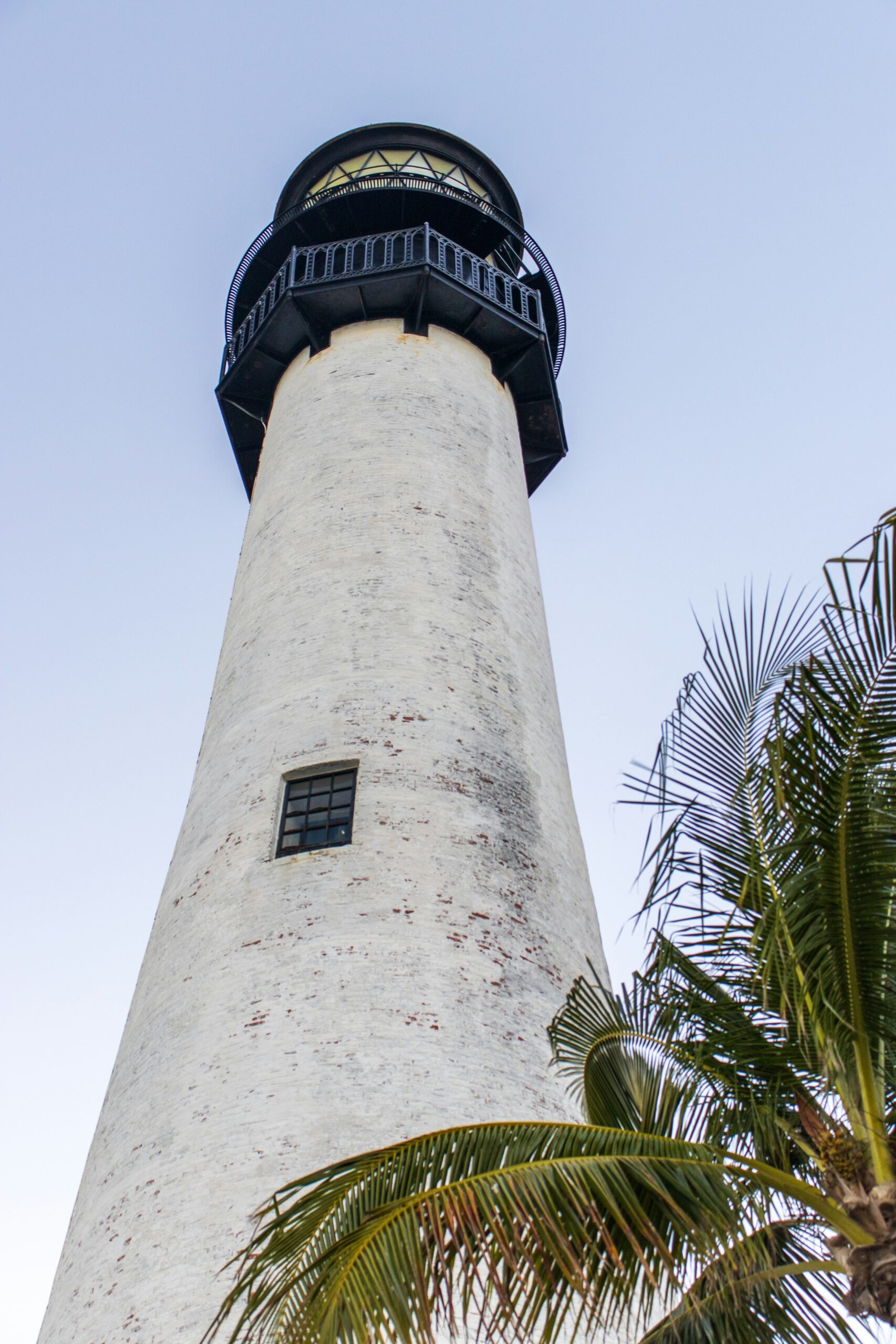
Key Biscayne is a barrier island village of roughly fifteen thousand residents reached only by the Rickenbacker Causeway from Miami, framed on the south end by Bill Baggs Cape Florida State Park and on the north by Crandon Park and the historic Crandon Park Beach. The island is entirely the Village of Key Biscayne — a separately incorporated municipality within Miami-Dade County — and ZIP code 33149 covers the whole community. Demographically Key Biscayne skews wealthy, family-oriented, and significantly international, with strong Argentine, Spanish, Brazilian, Colombian, and Italian populations alongside long-established American families. Many residents are second-home owners who keep an apartment on Key Biscayne while maintaining a primary residence in another country or in the Northeast U.S. The island’s isolation — one bridge in and out — also shapes how residents think about emergency care and hospital access in a way that mainland Miami-Dade neighborhoods do not have to.
Key Biscayne’s income demographics put most year-round households well above the ACA premium-tax-credit ceiling. A retired executive couple in a Grand Bay condo, a young family in a Crandon Boulevard home, or an entrepreneur running a Latin American export business out of an island office will typically see no Marketplace subsidy and face full sticker price on Healthcare.gov. For that demographic, a Private PPO sold outside the Marketplace frequently produces dramatically better economics — often half the monthly cost of a comparable silver plan for healthy applicants — with a richer national PPO network and stronger international travel benefits that matter for an island household with significant time abroad. That said, Key Biscayne also has self-employed professionals, recently divorced parents, and entrepreneurs in lean years whose actual income lines up with subsidy thresholds, and we always run the math both ways before recommending a structure.
The hospital and emergency-care question for Key Biscayne is more important than for most Miami-Dade neighborhoods because the island is reachable only by the Rickenbacker Causeway. There is no full-service hospital on the island. Mercy Hospital — an HCA Florida hospital at 3663 South Miami Avenue — is the closest mainland hospital, accessible via the causeway and Bayshore Drive in roughly fifteen minutes outside of rush hour. Jackson Memorial Hospital, the University of Miami Hospital, and Nicklaus Children’s Hospital are all in the same general corridor a few minutes farther north and west. Mount Sinai Medical Center on Miami Beach is reachable across the MacArthur or Julia Tuttle Causeway in about thirty minutes. Any plan we write for a Key Biscayne household is checked against both the in-network status of these specific facilities and the carrier’s ambulance and emergency transport coverage — because an island family that calls 911 from Crandon Boulevard ends up at the closest mainland emergency department, and out-of-network transport bills can run into five figures.
The closest hospital to Key Biscayne is HCA Florida Mercy Hospital at 3663 South Miami Avenue, reachable via the Rickenbacker Causeway and Bayshore Drive. Mercy handles emergency medicine, cardiac care, surgical services, and a busy obstetrics program serving Key Biscayne, Brickell, and Coconut Grove families. Jackson Memorial Hospital on Northwest 12th Avenue is the regional Level I trauma center and the destination for major trauma transfers from any Miami-Dade location. The University of Miami Hospital and Clinics sits adjacent to Jackson Memorial and is the UHealth campus for residents who use UHealth specialists. Nicklaus Children’s Hospital on Southwest 62nd Avenue is the pediatric specialty hospital for Key Biscayne families. Mount Sinai Medical Center on Miami Beach is reachable across the MacArthur Causeway and is in-network on a different slice of plans. Network status varies sharply between Florida Blue, Aetna CVS Health, Cigna, Ambetter, and Oscar products, and we always confirm that the specific HCA Florida, Jackson Health, UHealth, Nicklaus, or Mount Sinai facilities a family uses are in-network for the specific plan year before quoting.
Private PPO plans bought outside the Marketplace fit the Key Biscayne household demographic particularly well. A couple in their fifties in a Grand Bay condo earning combined income above the credit ceiling sees no premium tax credit on Healthcare.gov and faces full silver or gold pricing — often more than two thousand dollars per month for the household. A Private PPO with medical underwriting frequently lands at half that monthly cost for healthy applicants, with a richer national PPO network and richer international travel benefits than typical Marketplace plans. These plans accept applications year-round, do not require a qualifying life event, and travel well — useful for a Key Biscayne household with extended time in Argentina, Spain, Italy, or Brazil each year. They are not the right answer for everyone — applicants with significant pre-existing conditions may not pass underwriting — but for healthy island professionals priced out of the Marketplace, the economics are often dramatically better.
ACA Marketplace plans are still the right answer for Key Biscayne households whose projected income falls in the subsidy band — the recently divorced parent receiving alimony, the small-business owner in a slow revenue year, the early-stage entrepreneur, or the household where one earner just left a corporate role. Florida Blue, Ambetter, Oscar, Aetna CVS Health, and Cigna all sell Marketplace plans in ZIP code 33149, and premium tax credits combined with cost-sharing reductions can make silver plans dramatically more affordable than the sticker premium suggests. We map plan networks to the specific HCA Florida Mercy, UHealth, Jackson, and Nicklaus physicians the household uses, and we never quote a Marketplace plan without first confirming the family’s primary care physician, pediatrician, and any specialists are listed in that plan’s actual provider directory for the upcoming year.
Key Biscayne’s international demographic introduces a planning layer most national agents miss. Spanish, Argentine, Italian, and Brazilian households who spend several months a year outside the United States need to understand that most ACA Marketplace plans cover only emergency care abroad, while some Private PPO products offer broader international travel benefits. A Buenos Aires family that returns home for two months each summer, a Madrid couple who keeps an apartment on the island and travels north to Spain each year, or a Sao Paulo household that splits time between Brazil and Florida may need either a separate international medical policy or a Private PPO designed for traveling policyholders. We always ask about travel patterns at the discovery call. We also flag that Florida health plans terminate when a policyholder establishes a new primary residence in another state — keeping a primary residence on Key Biscayne is what makes the Florida plan work.
One Key Biscayne-specific note worth flagging on emergency transport: an island family calling 911 from Crandon Boulevard typically receives Miami-Dade Fire Rescue ambulance service, and the receiving hospital is determined by triage rather than insurance network. The patient ends up at the closest appropriate emergency department, which is most often HCA Florida Mercy Hospital or Jackson Memorial. Whether the ambulance and emergency-room visit are billed in-network or out-of-network depends on the plan’s specific contracts. We pay attention to this on every Key Biscayne quote because emergency transport bills on out-of-network providers can run into five figures and the No Surprises Act does not eliminate every out-of-network exposure for ground ambulance services.
A Private PPO Plan is sold outside Healthcare.gov, is medically underwritten, accepts applications year-round, and gives you a broad national PPO network — useful for a Key Biscayne household above the credit ceiling that splits time between the island and another country. An ACA Marketplace plan is sold through Healthcare.gov, accepts everyone, and offers premium tax credits when projected income lines up. For higher-income Key Biscayne households a Private PPO often costs less per month for healthy applicants. For households between roughly twenty-five and one hundred thousand dollars in projected income, the Marketplace is usually better economics. We run both quotes side by side before recommending one.
Networks treat Key Biscayne the same as the surrounding mainland for plan eligibility — your home address determines plan availability and premium rating. The closest hospital is HCA Florida Mercy Hospital at 3663 South Miami Avenue, reachable via the Rickenbacker Causeway in roughly fifteen minutes. Jackson Memorial Hospital, the University of Miami Hospital, and Nicklaus Children's Hospital are a few minutes farther. Mount Sinai Medical Center on Miami Beach is reachable across the MacArthur Causeway. We pay particular attention to ambulance and emergency transport coverage on Key Biscayne plans because an island family calling 911 ends up at the closest mainland emergency department regardless of network preference, and out-of-network transport bills can be substantial.
Most ACA Marketplace plans cover only emergency care outside the United States, which is rarely sufficient for an island household that returns to Buenos Aires, Madrid, Milan, or Sao Paulo for two or more months each year. We typically pair a domestic ACA or Private PPO base plan with a separate international medical policy timed to the travel window, or steer toward a Private PPO product that includes broader international travel benefits in its base coverage. The right structure depends on the length of the trips, age, and any pre-existing conditions, and we work through it before quoting.
It depends on which state the policyholder claims as their primary residence for tax and insurance purposes. A New York or Massachusetts resident who spends winters on Key Biscayne keeps the home-state plan and uses out-of-network or PPO benefits while in Florida. A snowbird who has formally established Florida residency — registered to vote, gotten a Florida driver license, filed a homestead — needs a Florida plan, because most state-based plans terminate when residency changes. We help walk through the residency question and select the plan that matches the household's actual living pattern.
Yes. Key Biscayne has plenty of self-employed professionals — entrepreneurs, real-estate brokers, consultants, attorneys with their own practice — and the right approach depends on income volatility. For households with predictable cash flow above the subsidy ceiling, a Private PPO with a flat monthly premium is easier to budget. For households whose income falls into subsidy territory in slower years, an ACA plan with a conservatively projected premium tax credit and a midyear update if income surges is the right structure. We help work through the projection.
The lowest-cost Marketplace plans in Key Biscayne ZIP code 33149 are typically bronze metal tier plans from Ambetter, Molina, or Oscar, with monthly premiums after subsidy that drop into single digits for households at the lower end of the credit range. Those plans carry deductibles in the seven to nine thousand dollar range, manageable for a healthy household but punishing for a family with chronic conditions. We almost always recommend stepping up to silver — especially for households eligible for cost-sharing reductions, which only apply to silver — to get a workable deductible without losing the subsidy.
It depends on the specific plan. HCA Florida Mercy Hospital is in-network on most Florida Blue, Ambetter, Cigna, and Aetna plans sold in Miami-Dade. UHealth physicians and the University of Miami Hospital have separate contracts and require explicit verification. Nicklaus Children's Hospital is in-network on most plans sold in 33149 but pediatric specialty access varies by sub-specialty. Mount Sinai Medical Center contracts more narrowly. We pull the actual directory for the specific plan year and confirm each physician you list before quoting.
ACA Marketplace open enrollment runs November 1 through January 15 each year for coverage effective January 1 or February 1. Outside open enrollment, qualifying life events — marriage, divorce, birth or adoption of a child, loss of employer coverage, moving to a new ZIP code, or a meaningful change in household income — open a sixty-day Special Enrollment Period. Private PPO plans accept applications year-round.
Yes. Private PPO plans, short-term medical plans, faith-based health-share programs, and small-group plans for business owners are all sold outside Healthcare.gov and do not require a Marketplace account. Each has tradeoffs — Private PPOs are medically underwritten, short-term plans are not ACA-compliant, health-share programs are not insurance — and the right answer depends on health history, income, and how the household uses care. We walk through the off-Marketplace options alongside the Marketplace quote.
We will run real Private PPO and ACA Marketplace numbers against your doctors, your hospitals, and your household — no charge, no pressure.
Reliable private insurance AND ACA Marketplace plans for health, life, dental, vision, and final expense, protecting you and your loved ones with peace of mind.
Contact Us
By providing your name and contact information you are expressly consenting to receive communications from Fullone Family Insurance or one of their licensed agents, which may include phone calls (including to any wireless number that you provide) including automatic telephone dialing systems or by artificial/pre-recorded messages text message and/or emails for the purpose of marketing insurance products and services including health, medicare and life insurance plans. By providing your information, you understand that your consent is not a condition of purchase of any product or services, and carrier messaging and data rates may apply. You may revoke this consent at any time by by emailing us at dan@fullonefamilyinsurance.com to be placed on our do-not-call list.
By clicking “Subscribe” I agree to receive recurring informational SMS, MMS or Email messages from Fullone Family Insurance. My click is my electronic signature, and I authorize you to send me text messages on my mobile phone or landline. I understand that consenting to receive SMS messages is not a condition of purchase or service. This is a standard rate subscription service available on most carriers, Msg & Data Rates May Apply. You can also request additional information by texting HELP to 1-800-327-5579. Service will continue until customer cancels. Messaging frequency will vary. Subscription may be canceled by texting STOP, END, QUIT, CANCEL or UNSUBSCRIBE. Further disclosure can be found on our Privacy Policy page.
Get a Free Health Insurance Quote
Before you go — get your free health insurance quote in 60 seconds. No obligation. No pressure.